The intersection of eco friendly design and intelligent mobile home solutions is creating a new paradigm in sustainable travel.
*This article contains affiliate links.
If you purchase through these links, Smart RV Hub may earn a commission at no extra cost to you.*
Modern travelers are increasingly conscious of their environmental impact, seeking ways to explore the world while minimizing their carbon footprint.
Eco Friendly Design Innovation
Today's sustainable RVs incorporate cutting edge materials and design principles that reduce environmental impact without sacrificing comfort or functionality.

Lightweight composite materials reduce fuel consumption while maintaining structural integrity.
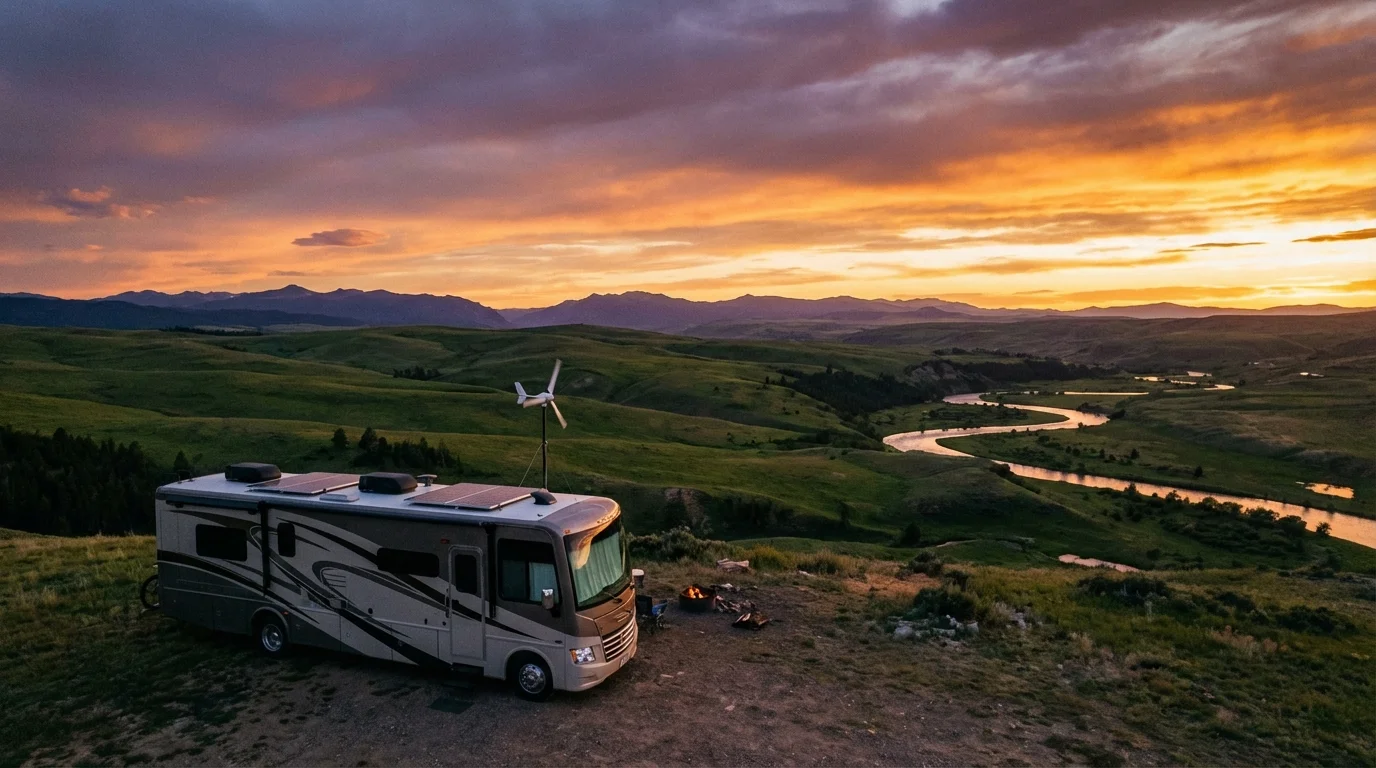
Solar panel integration provides clean energy for extended off grid adventures.
Our guide to clean solar energy on the road explains what a modern array can realistically run.
Water recycling systems maximize resource efficiency in remote locations.
Intelligent Energy Management
Smart power systems optimize energy consumption based on usage patterns and available resources.
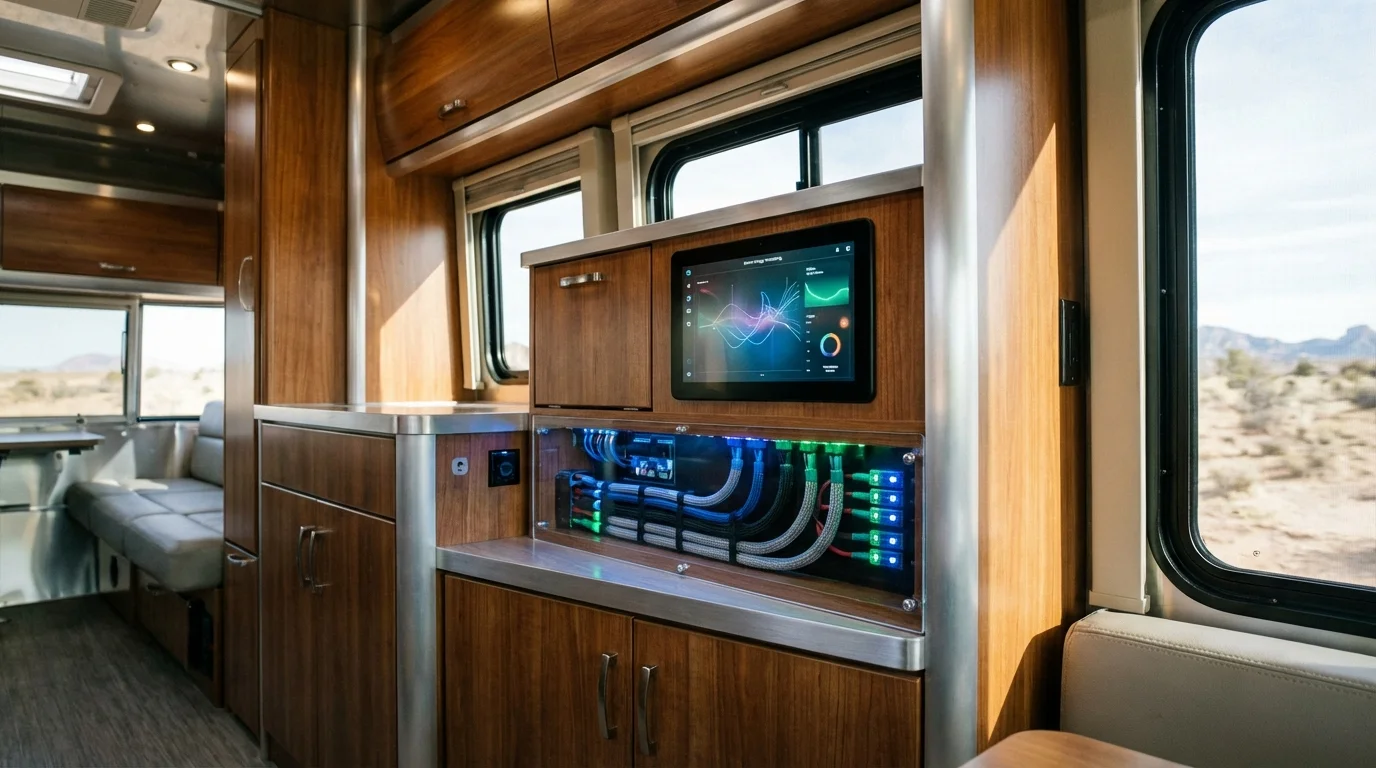
Battery management systems extend the life of energy storage components.
These controls sit alongside the wider set of intelligent RV systems covering lighting, climate, and security.
Automated load balancing ensures critical systems maintain power during extended trips.
Real time monitoring helps travelers make informed decisions about energy consumption.
For the build itself, see our guide to building a clean solar power system.
Sustainable Manufacturing Practices
Leading RV manufacturers are adopting responsible production methods that minimize waste and environmental impact.
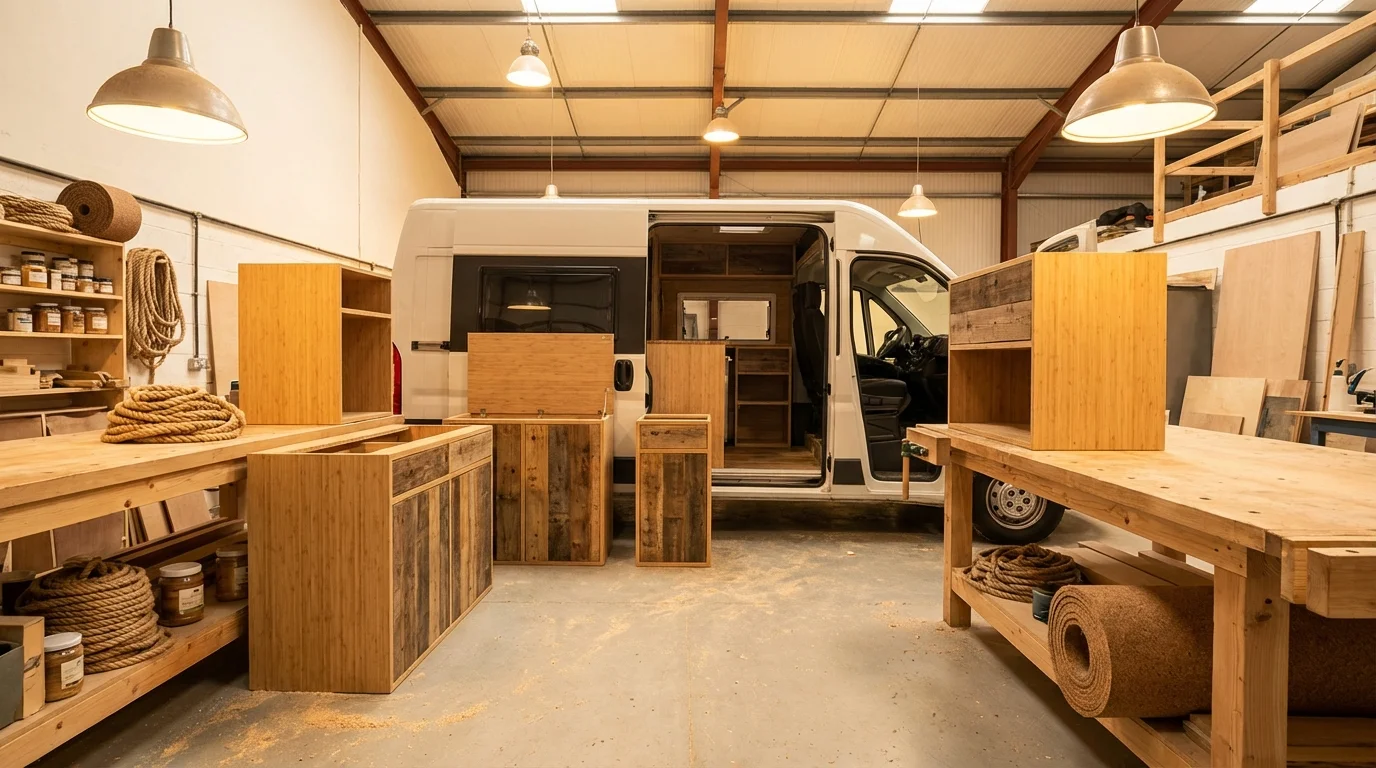
Recycled materials find new life in interior components and fixtures.
Local sourcing reduces transportation related emissions during manufacturing.
Modular design principles allow for easier repairs and component upgrades extending vehicle lifespan.
The Future of Responsible Travel
As technology continues to evolve, sustainable RV travel becomes more accessible and practical for everyday adventurers.
Much of that progress overlaps with the future of mobile living.
Advanced route planning considers environmental factors and resource availability.
Community networks share information about sustainable camping practices and eco friendly destinations.
Farm and winery stays are one option, and our Harvest Hosts overview explains how the network operates.
Integration with renewable energy infrastructure supports long term sustainability goals.
The convergence of environmental consciousness and technological innovation is creating unprecedented opportunities for responsible exploration and adventure.
Affiliate Disclosure
This page contains affiliate links.
When you purchase through these links, we may earn a commission at no additional cost to you.
This helps support our free calculators, guides, and research tools. Read our full disclosure
Affiliate link. We may earn a commission at no extra cost to you.
Affiliate link. We may earn a commission at no extra cost to you.
Affiliate link. We may earn a commission at no extra cost to you.